AR glasses vs holographic displays: choose by audience, not hype
A simple framework for deciding between personal wearable screens and shared spatial installations.
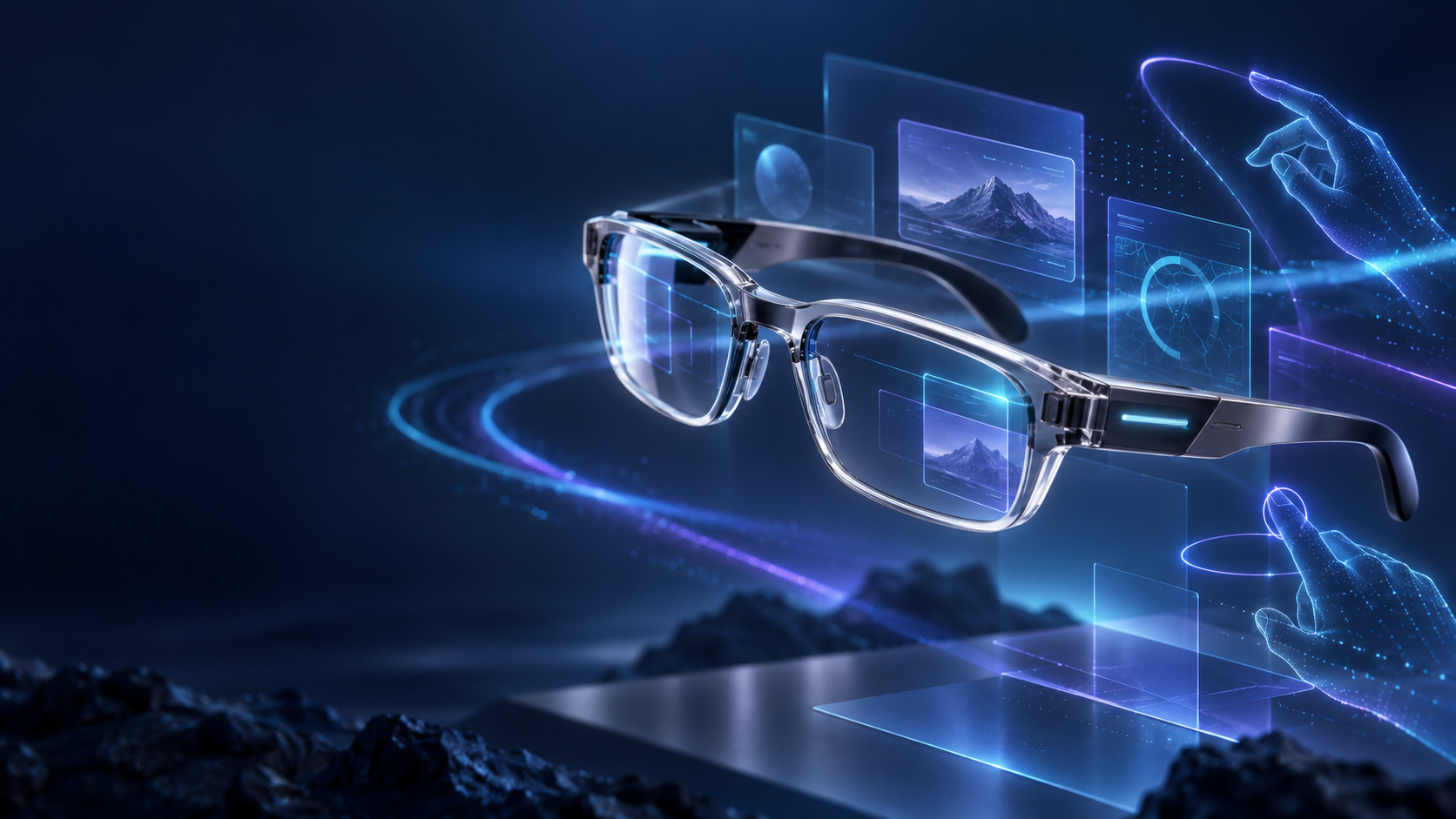
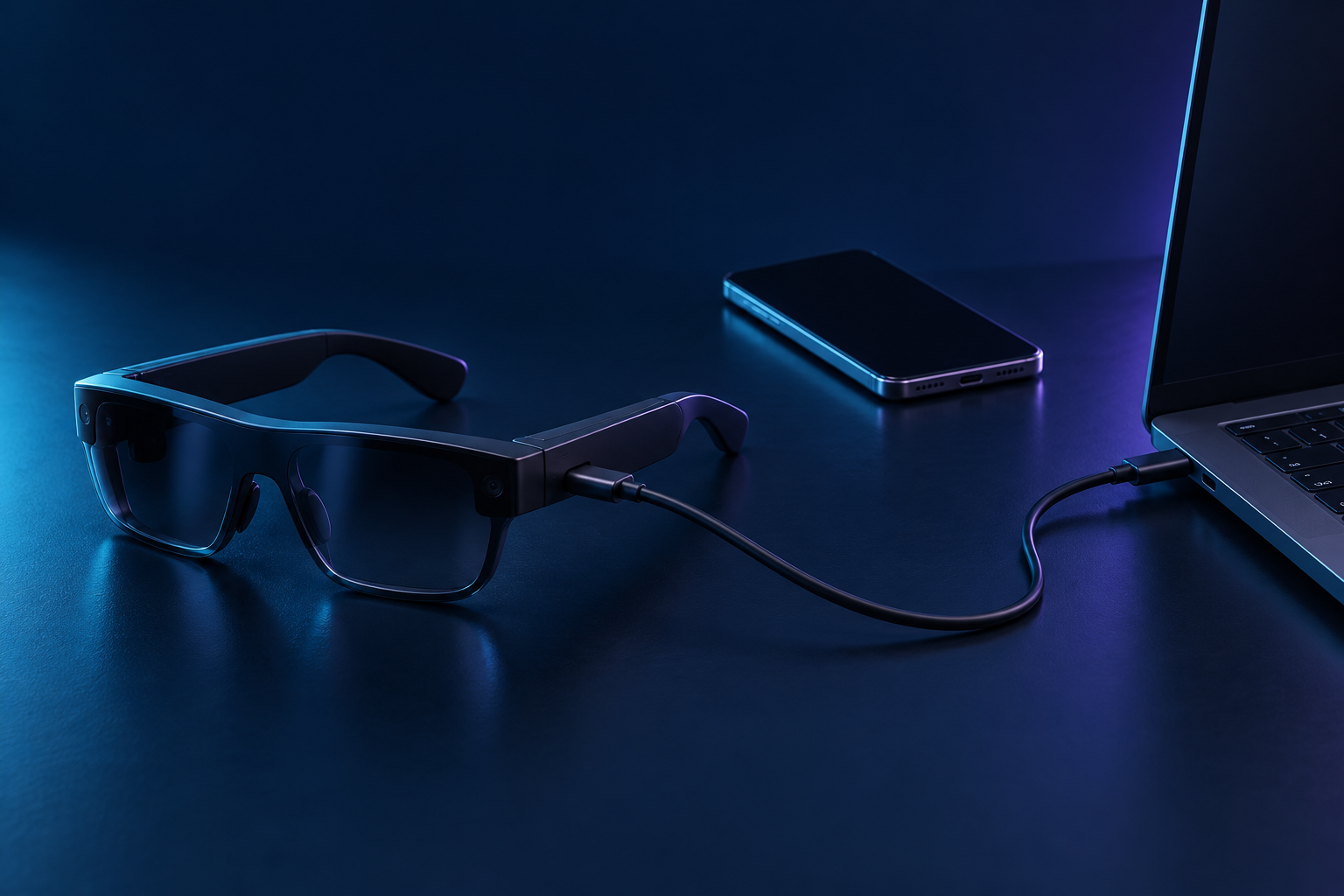
 Original HoloNexa editorial illustration. It is not an official product photograph.
This research-based guide uses manufacturer documentation for product facts. Evaluation and buying guidance are independent analysis; it is not presented as hands-on testing.
The audience boundary
AR glasses deliver imagery to one wearer. A glasses-free spatial display is designed to be seen by people around it. That single distinction explains more than many specification comparisons.
Choose wearable display glasses for private media, portable work and individual assistance. Choose a shared display for exhibitions, collaborative visualization, education, reception and public storytelling.
Interaction and content
Some glasses merely mirror a screen; others track the environment and run applications. Likewise, shared displays range from rotating LED illusions to multi-view light-field visualization and telepresence cabinets. Compare within the correct category.
List the source content, number of viewers, session length, level of interaction and environment. Then remove any device that cannot satisfy those fundamentals.
A useful hybrid
Organizations may use both: glasses for individual design review and a shared display for client presentations. The content pipeline can sometimes reuse the same 3D assets even when the final rendering differs.
Avoid choosing a product because its largest advertised virtual-screen number sounds impressive. The best device is the one the intended audience can use comfortably and repeatedly.
Official sources
Specifications, availability and program terms can change. Confirm current information on the linked manufacturer pages.