The spatial display market in 2026: four categories to watch
Light field, telepresence, dimensional signage and wearable displays are converging—but remain different markets.
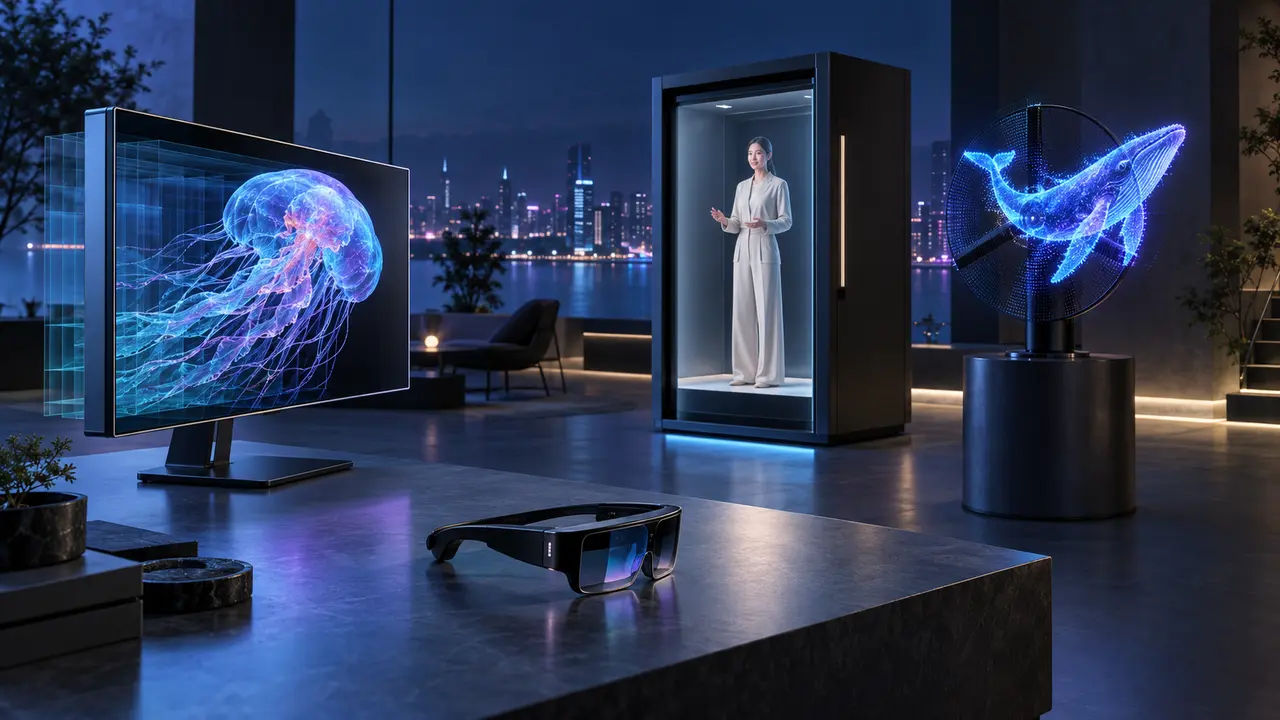 Original HoloNexa editorial illustration. It is not an official product photograph.
This research-based guide uses manufacturer documentation for product facts. Evaluation and buying guidance are independent analysis; it is not presented as hands-on testing.
1. Multi-view light-field displays
This category focuses on glasses-free 3D visualization from multiple perspectives. It matters for creators, research, design and situations where a group needs to understand a 3D object.
2. Telepresence enclosures
Proto and Holoconnects emphasize people, avatars and managed communication inside physical cabinets. The product is a combination of capture, cloud workflow, display and service.
3. Dimensional signage
Hololuminescent screens and rotating LED systems aim for public visual impact. Their commercial value depends on venue, safety, campaign production and repeatable content operations.
4. Wearable spatial displays
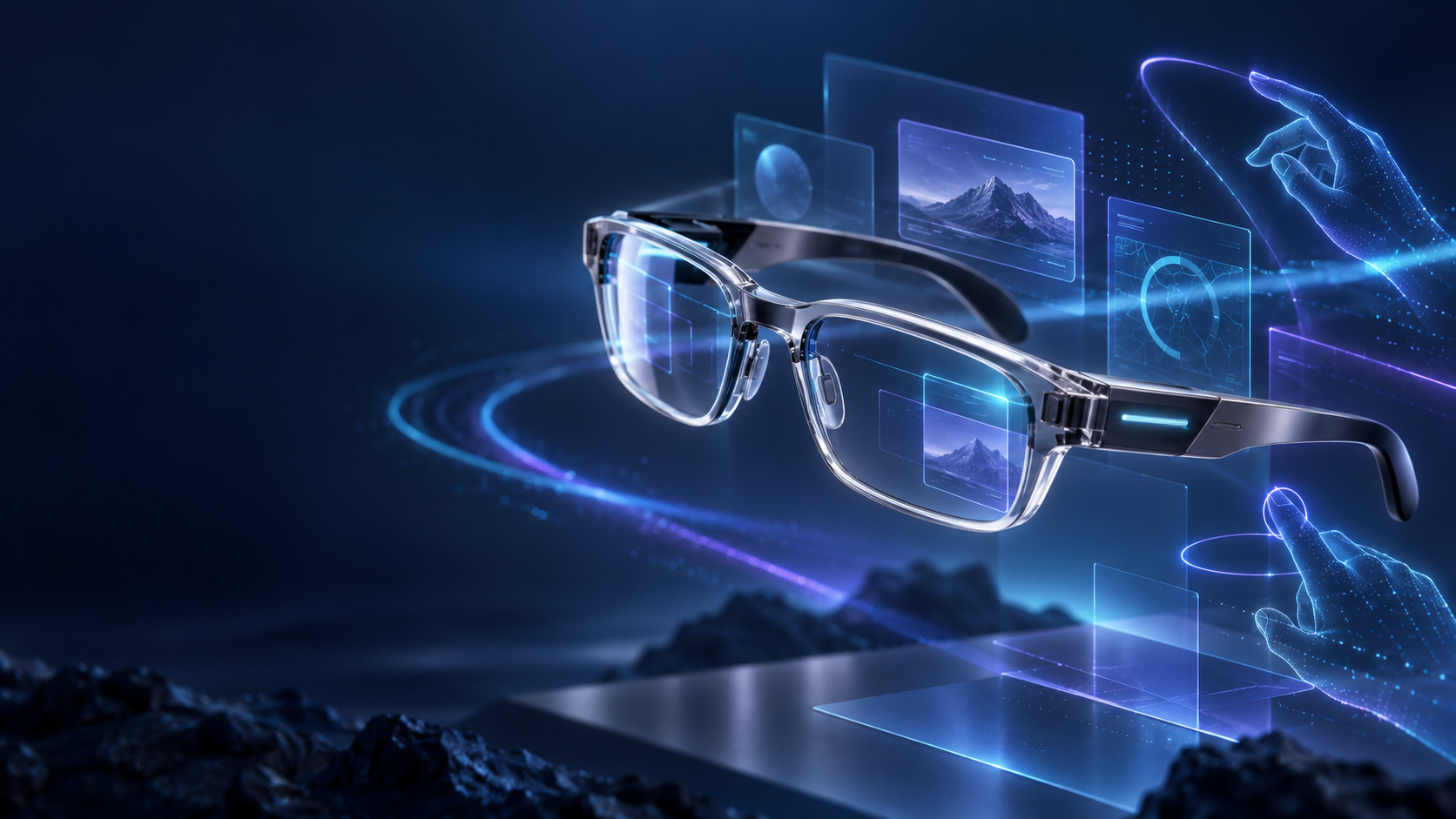
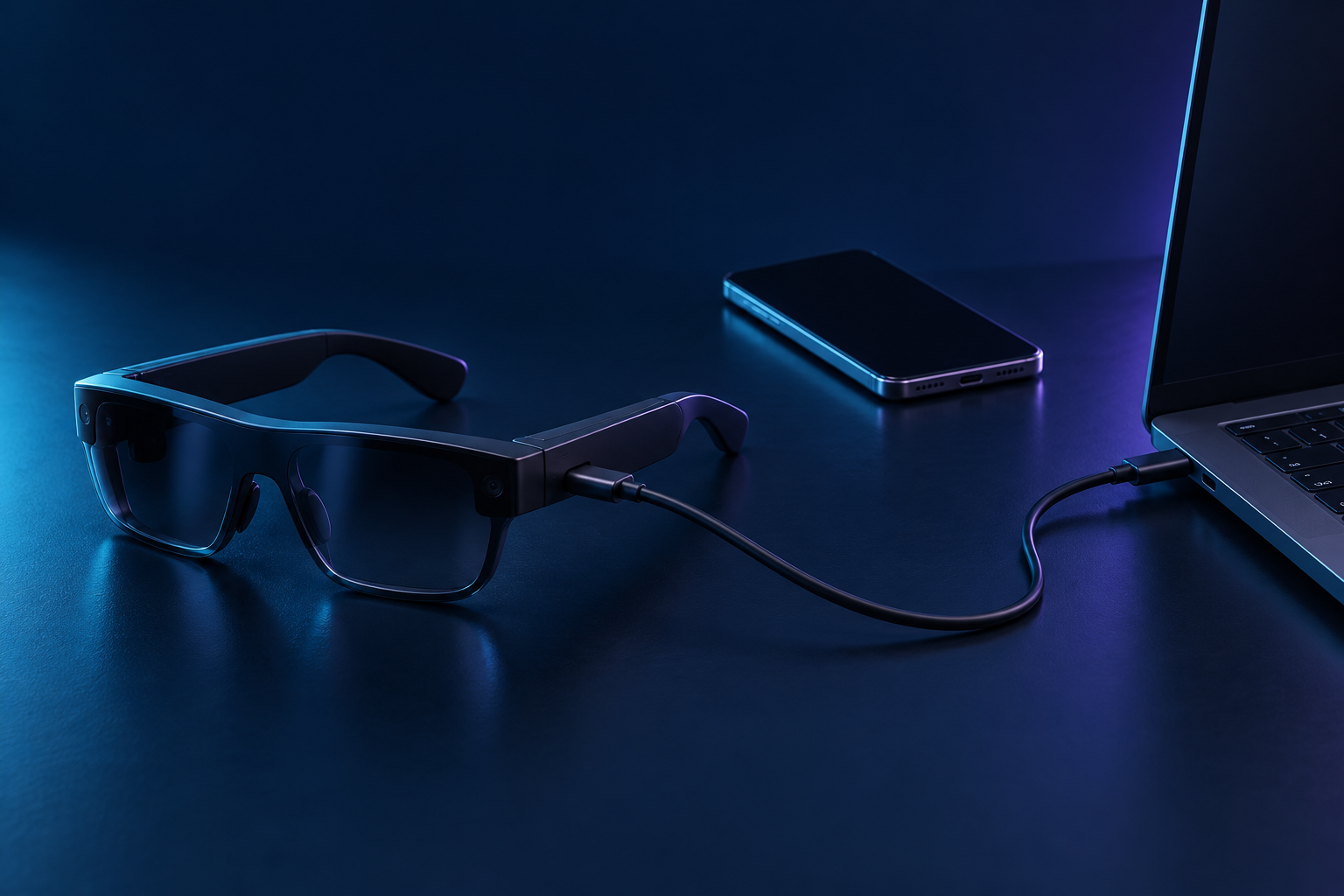
RayNeo and Rokid illustrate the range from tethered personal screens to standalone AI+AR glasses and dedicated spatial computing bundles. Compatibility and software ecosystems are becoming as important as optical specifications.
The market should not be ranked on one universal table. HoloNexa will compare products by audience, task, workflow and total cost, updating claims from official sources as products evolve.
Official sources
Specifications, availability and program terms can change. Confirm current information on the linked manufacturer pages.