HYPERVSN SmartV and LED hologram fans: a realistic guide
How rotating LED displays create floating imagery, where they work and which safety questions matter.
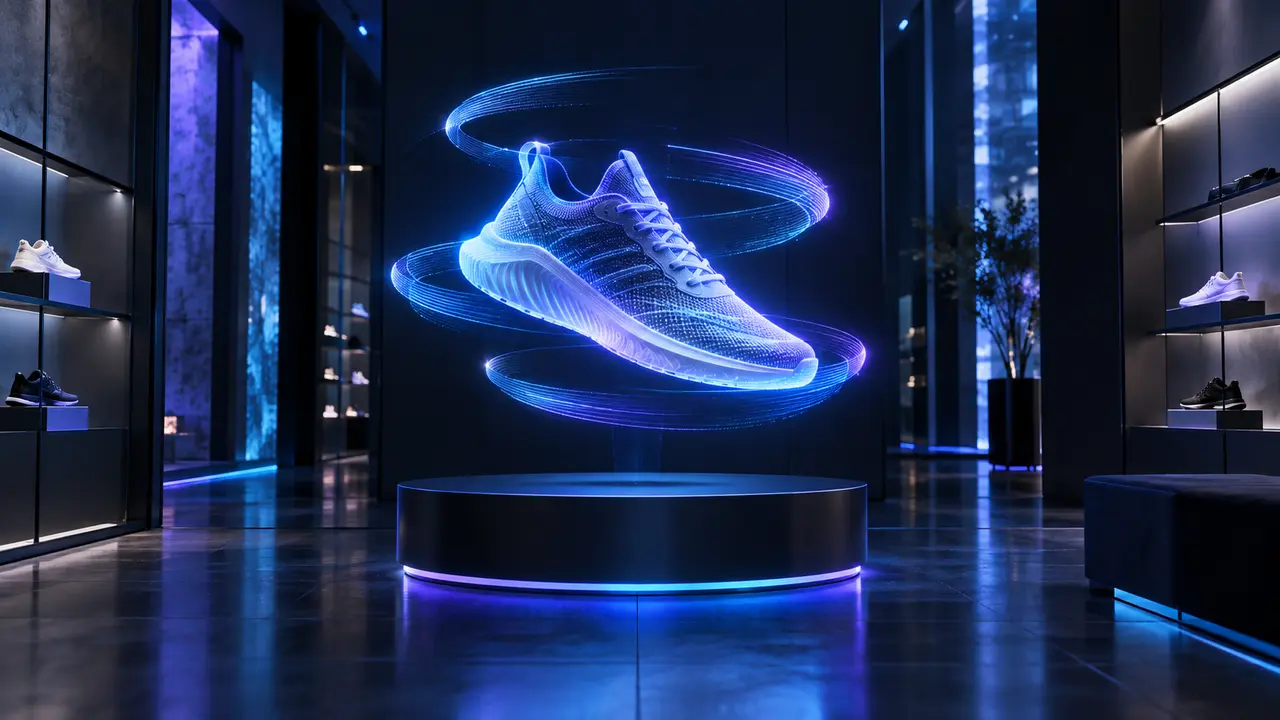 Original HoloNexa editorial illustration. It is not an official product photograph.
This research-based guide uses manufacturer documentation for product facts. Evaluation and buying guidance are independent analysis; it is not presented as hands-on testing.
How the illusion works
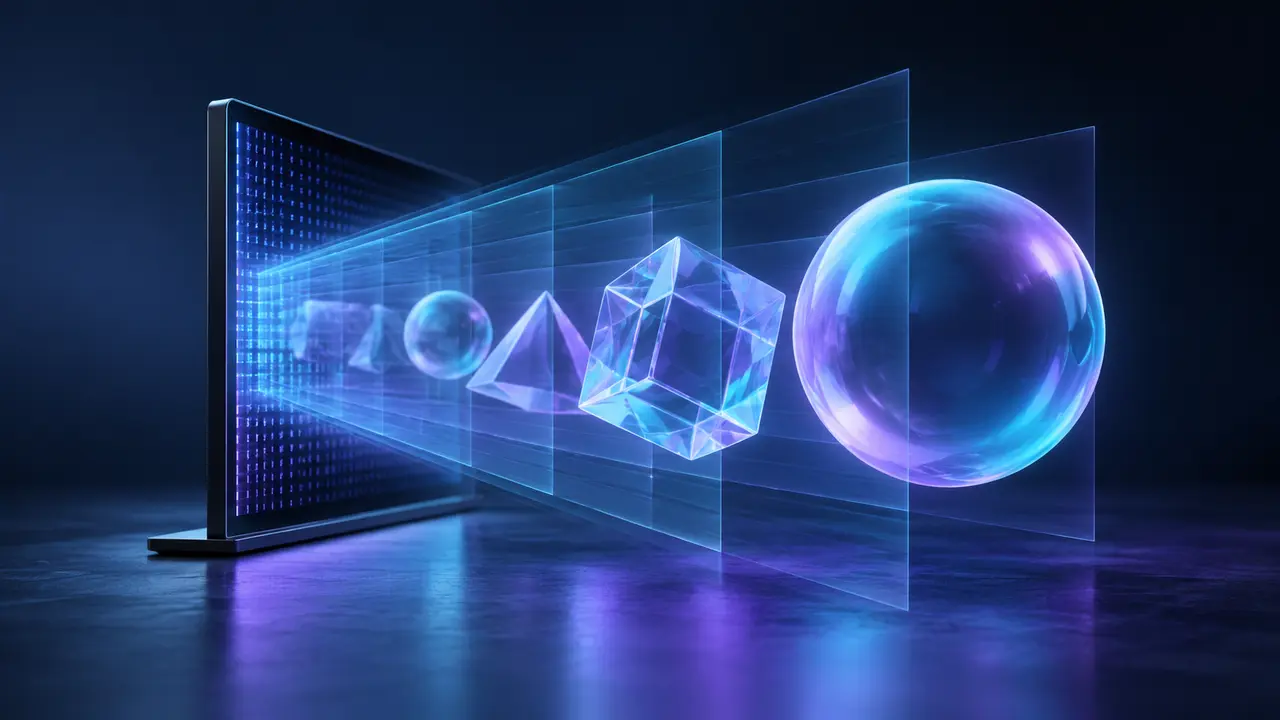
LED hologram fans use rapidly rotating light-emitting blades and precise timing to draw images in the air. Persistence of vision makes the moving points appear as a continuous picture. The center can visually disappear with suitable content and lighting.
This is not volumetric light filling every point in space. The image exists on the rotating plane, which is why viewing angle, background contrast and content design matter.
Installation before spectacle
A spinning display is active machinery. Buyers should obtain the manufacturer's current installation, enclosure, mounting and clearance requirements and comply with local venue rules. Public installations require a safety-first design and qualified setup.
Also test sound, brightness, synchronization, remote content management and what the display looks like in phone recordings. Campaign teams often value the camera result as much as the in-person view.
When it works
LED fan displays suit short visual loops, logos, pack shots and high-contrast objects in retail, exhibitions and events. They are a weak match for dense text, long explanations or environments where the unit cannot be safely positioned.
Compare the complete installed system and service package, not an isolated fan price.
Official sources
Specifications, availability and program terms can change. Confirm current information on the linked manufacturer pages.